
LeBron and the Sixers: A Perfect Fit, an Impossible Price Tag
Philadelphia has come knocking on LeBron James's door following his departure from the Lakers. The basketball fit alongside Maxey, Brown and Embiid is obvious — the problem is that the money, according to our cap data, simply isn't there.
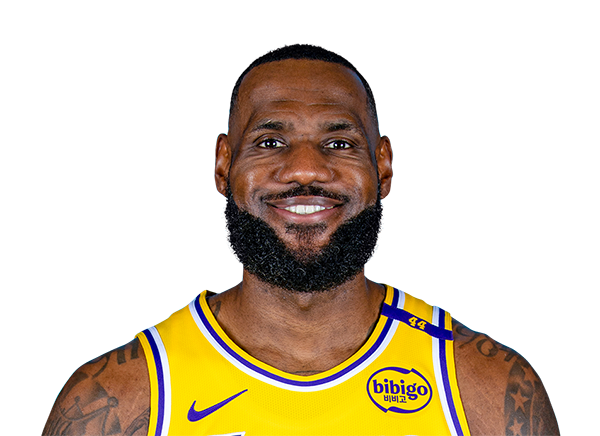
LeBron would solve the Sixers' biggest deficit: someone to organize and make decisions for everyone else. The problem isn't the fit — it's the money.
- Generates 11.8 potential assists per game
- Elite in transition and in the clutch
- The Sixers don't appear on any cap space list
- 11.801FactCREATIONpotential assists/game
Manufactures shots for Maxey and Brown without disrupting their roles
- 1.29102FactTRANSITIONpts/possession in the open floor
Fuel for Maxey and Edgecombe's pace
- 46.5%03FactCLUTCHFG in the final 5 min
The closer Philadelphia doesn't have
There's one image that captures the rumor: LeBron James, a free agent after leaving the Lakers, pushing the ball up the floor while Tyrese Maxey and Jaylen Brown sprint the wings and Joel Embiid waits on the roll. It sounds like a fairy tale for Philadelphia. And according to our feed (Luke Adams), the 76ers have expressed genuine interest — though it remains exploratory for now. The question isn't whether LeBron would make the Sixers better — every piece of data in this dossier answers that — but whether Philadelphia can pay him and exactly what they'd be buying.
Signing a Playmaker, Not a Scorer
The number that should obsess Philadelphia isn't a scoring figure — it's this: LeBron generates 11.8 potential assists per game, passes that lead directly to a shot, well above the 7.2 assists that show up in the box score. In other words, he creates far more than the official stat line reflects, and it's simply up to his teammates to knock down the shots. On a team with two finishers of the caliber of Maxey and Jaylen Brown, that gap translates to points almost immediately.
His profile, as his player DNA shows, remains that of a total engine: he dominates the ball 3.8 minutes per game with 70.1 touches, creates his own offense (4.3 points per game on pull-up jumpers, nearly double his catch-and-shoot production), and even applies pressure as a perimeter shot defender — ranking among the league's stingiest on catch-and-shoot attempts.
Run or Die: Where He Actually Does Damage
Here's the nuance almost nobody connects. LeBron's game runs on transition today: 27% of his plays come in the open floor, and he converts them at 1.291 points per possession — one of the best marks in the entire NBA. Meanwhile, in the post — just 13% of his plays — he performs below the league average. His shot chart tells the same story: his damage comes running and attacking the rim with an advantage, not backing defenders down. For a Sixers team with Maxey and VJ Edgecombe capable of igniting pace, he's exactly the right kind of fuel.
And there's a bonus that's worth its weight in gold come April and May: in the final five minutes of close games, he scores 3.6 points on 46.5% shooting from the field. Philadelphia would be buying, literally, the guy who decides it in the clutch.
Why He Fits These Sixers
Philadelphia's current roster has the talent to score — Maxey, Brown, Simons, Edgecombe — and a frontcourt anchor in Embiid, but nobody who organizes at the level of a historic primary creator. LeBron wouldn't be coming to take shots away: he'd be coming to distribute them better. His best career lineup — that Cleveland team built around shooters and an energy big — describes exactly the ecosystem he needs: spacing, runners, and a finisher at the rim. Philadelphia already has that built.
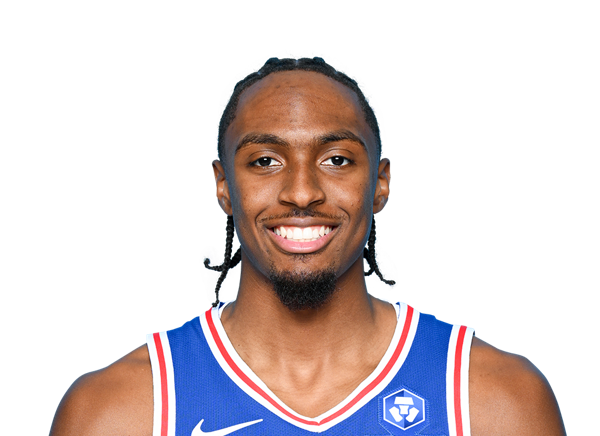 Tyrese Maxey
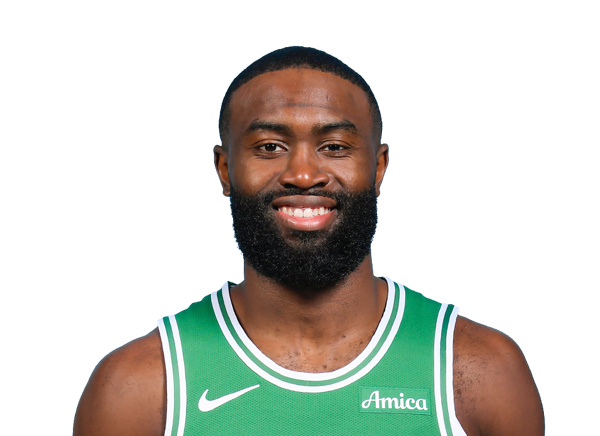 Jaylen Brown
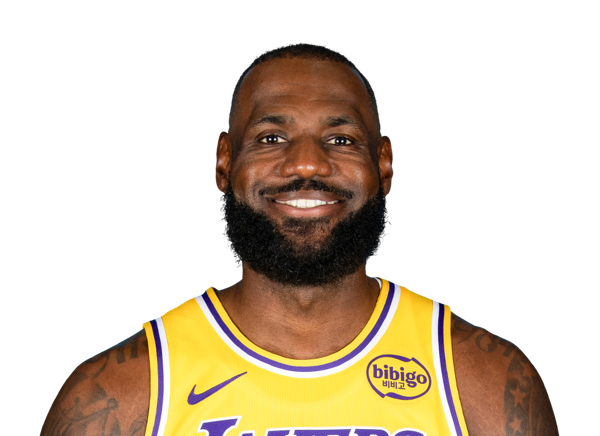 LeBron James
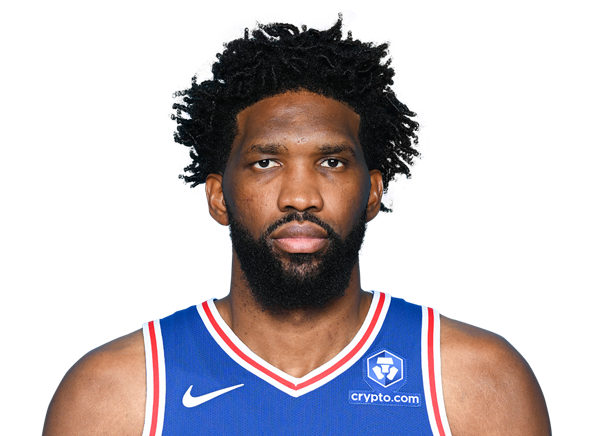 Joel Embiid
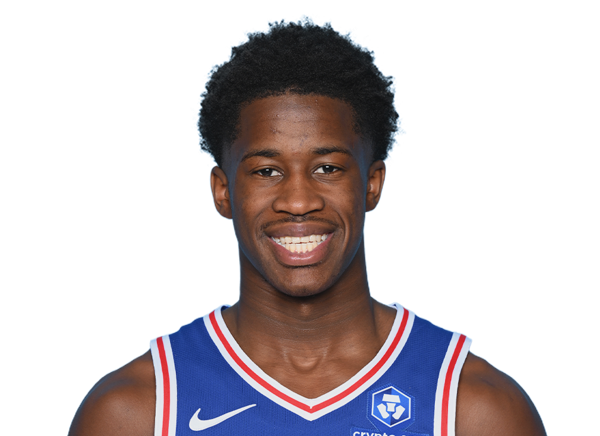 VJ Edgecombe
The Fine Print: The Numbers Don't Work
Let's be honest about what the data doesn't cover. LeBron's last contract paid him $52.6 million on a one-year deal, and in our list of teams with real cap space — Milwaukee ($25.9M), Memphis ($21.7M), the Clippers ($14.1M), Charlotte, Chicago, Detroit — the Sixers are nowhere to be found. Translation: Philadelphia has no cap room to pay him anything close to his previous salary. The interest is real; the path to making it happen, with this payroll, requires either a massive pay cut from LeBron or salary maneuvering that the available data doesn't support. That's the wall this rumor keeps running into.
The basketball screams yes. The spreadsheet, for now, says no.
What the Sixers gain
- ✓An elite playmaker for Maxey and Brown
- ✓The best transition player available
- ✓A proven clutch performer
What they're not buying
- ✕Post-up production (below league average)
- ✕A rim protector: he allows 60.9% at the rim, right at the league average
The fit is championship-caliber; the contract is science fiction.
If LeBron wants Philadelphia, he'll have to want it at a discount. Everything else — the pace, the playmaking, the clutch — already adds up.
Sources and method
- Method
- Figures come from SportiveWorld's own database and from the documents cited in the piece. Every figure states its metric, scope and period; what is not measured is said, not filled in.
This article was produced with the help of artificial-intelligence tools on verified data from our own database, and was reviewed and edited by a human (Antonio Sierra) before publication.