
Brown in Philadelphia: Three Stars, One Ball
The trade is confirmed: Jaylen Brown leaves Boston for the Sixers in the deal that sends Paul George the other way. But the numbers reveal a problem nobody in Philadelphia wants to face — Brown, Embiid, and Maxey all live off the same thing. The ball.
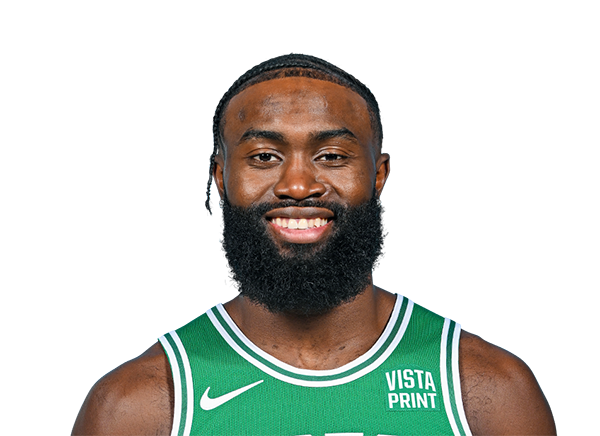
Brown is a scorer who needs to create his own shot with the ball in his hands, and he's landing in the one place in the NBA where the ball already has two established owners.
- Lives off the dribble, not the catch
- Embiid and Maxey run the show
- Barely produces off the ball
- 1,01301FactISOLATIONpoints per possession in iso
Among the NBA's best — but only when the ball is his
NBA - 2,702FactCATCH AND SHOOTcatch-and-shoot points per game
His off-ball production is marginal: a bad omen as a third option
- 203FactCLUTCHpoints in the last 5 minutes
When the moment is biggest, the ball will go to Embiid or Maxey
Imagine the first real possession of the new-look Sixers. Joel Embiid calls for the ball in the post. Tyrese Maxey has already attacked off the dribble. And Jaylen Brown — fresh off a $419.2 million contract through 2029 — waits in the corner. Waiting in the corner is, of course, the one thing Jaylen Brown doesn't know how to do.
Two Top-5 Scorers in the Same Locker Room
Let's start with the number that makes this trade unlike anything else: Brown is currently the 4th-leading scorer in the entire NBA. His new teammate Maxey is 5th. They're separated by four-tenths of a point. Philadelphia just put two of the five highest-scoring players in the league on the same roster — plus an Embiid who, when healthy, demands the ball every single possession. On paper it sounds like a festival. In practice, it sounds like a traffic jam.
A Scorer Who Doesn't Work as the Third Option
The issue isn't Brown's talent — it's how he produces it. He generates 9.5 points per game off pull-up jumpers, compared to a meager 2.7 on catch-and-shoot looks. Translation: when the ball runs through his hands and he makes the decisions, he scores; when he has to wait for a pass and fire, he almost disappears. His game is built on the pick and roll as the ball-handler — 22% of his plays, above the league average — and on isolation, where he ranks among the NBA's best at 1.013 points per possession. As his shot chart shows, his scoring starts with attacking the rim: he drives 19.1 times per game and squeezes 13.2 points out of those trips.
All of that demands one thing: possessions. The same possessions Embiid commands in the post and Maxey needs to be the league's 5th-leading scorer. Philadelphia doesn't have three balls. It has one.
His Best Version Was Something Else
His player profile confirms it: Brown thrives as a secondary creator surrounded by defenders and connectors — not as a star waiting his turn. In Boston, his most dominant lineup (+31 points per 100 possessions in 109 minutes together) surrounded him with defensive specialists and a single co-creator, not two offensive vortexes. And there's a nuance that tends to get overlooked: he generates 9.3 potential assists per game, nearly double the 5.1 that show up in the box score. He creates more than the stat line suggests — but that creation, too, stems from the dribble and the drive. Off the ball, he doesn't dish it either.
Why the Fit Grinds
The final question is who takes the shot when it matters most. And here the number gets uncomfortable: Brown averages just 2 points in the last 5 minutes of close games. In Philadelphia, that hot ball is going to Embiid or Maxey — and Brown will be relegated to a catch-and-shoot role in which, as we've already established, he barely produces.
And the logjam doesn't end with the Big Three. The current Sixers roster also includes Anfernee Simons — another scorer who needs shots — and a Kyle Lowry who no longer has the legs to direct that much traffic. VJ Edgecombe and Justin Edwards, the young guys, will watch the ball move right past them.
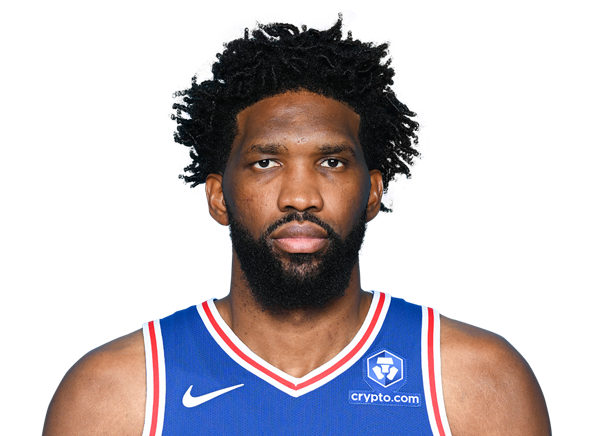 Joel Embiid
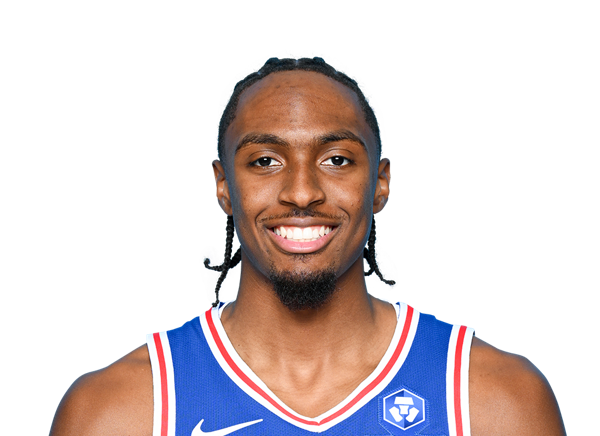 Tyrese Maxey
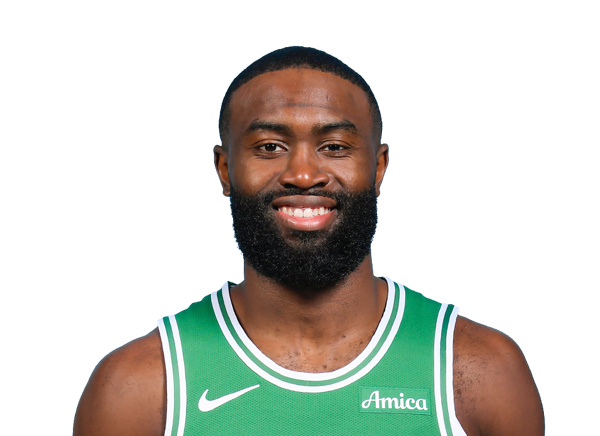 Jaylen Brown
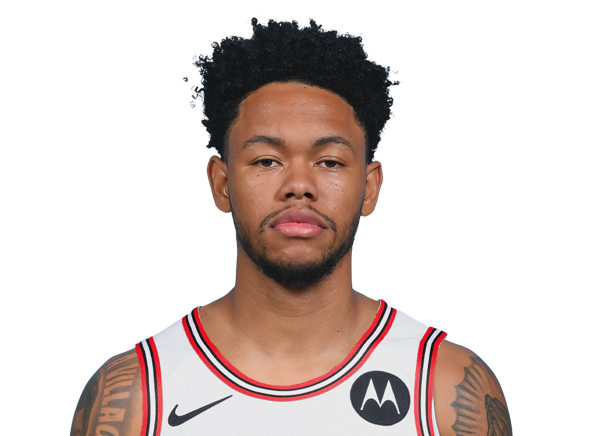 Anfernee Simons
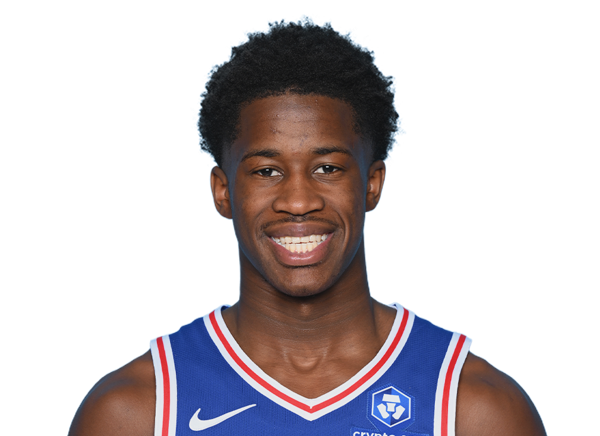 VJ Edgecombe
What Philadelphia Is and Isn't Buying
Let's be clear: Brown is a tremendous player and the Sixers are gaining pure talent. But talent without fit comes at a price — and here that price is $53.1 million this season.
Philadelphia solved a marquee-name problem and created an architectural one. And in the NBA, championships are won by architectures.
What the Sixers gain
- ✓The NBA's 4th-leading scorer
- ✓A champion in his prime with 19.1 drives per game
- ✓Hidden creation: 9.3 potential assists
What they're not buying
- ✕An off-ball player: just 2.7 catch-and-shoot points per game
- ✕A clear hierarchy with Embiid and Maxey already ahead of him
The Sixers bought talent, not fit.
Brown is a top-5 scorer because the ball runs through his hands. In Philadelphia, those hands are third in line. And he's never figured out how to be third.
Sources and method
- Competitions in the data
- NBA
- Method
- Figures come from SportiveWorld's own database and from the documents cited in the piece. Every figure states its metric, scope and period; what is not measured is said, not filled in.
This article was produced with the help of artificial-intelligence tools on verified data from our own database, and was reviewed and edited by a human (Antonio Sierra) before publication.