
Westbrook says no to Washington: the numbers explain why
The Wizards put a two-year contract on the table to bring the 2017 MVP back. Russ walked away from negotiations over money or role. Our data breaks down why the offer was what it was.
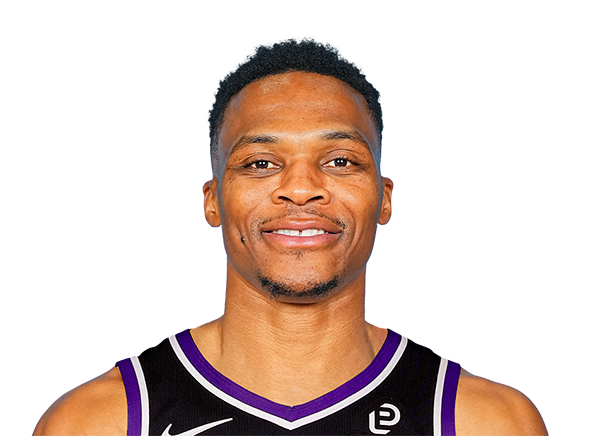
Westbrook's no isn't a whim — it's the collision between an MVP's memory and numbers that no longer back it up.
- Net rating of -12.1 with him on the floor
- Holds the ball longer than anyone
- His defense no longer holds up
- 52,8%01FactLO QUE DICEN LOS DATOStiro real
eficiencia insuficiente para pedir volumen
- 5,4 min02FactEL BALÓNposesión por partido
un rol secundario no le cabe en el juego
- 122,103FactLA GRIETArating defensivo
el rival anota con comodidad cuando él defiende
A MVP with 9 All-NBA selections on his résumé looked at a two-year offer to return to Washington and said no. According to our feed (Arthur Hill, confirmed), Russell Westbrook walked away from negotiations with the Wizards over a disagreement on financial terms or the role being offered. And here's the key: the role.
Because Westbrook, at 37, is still the same player at his core: a point guard who needs the ball to exist. This season he averaged 5.4 minutes per game with the ball in his hands, with 4.28 dribbles per touch across 69 touches. His profile hasn't changed; what he produces with it has.
The ball Washington couldn't give him
Our tracking reveals a telling number: Westbrook needs 0.81 minutes of possession for every assist he dishes out. Translation: he holds it long and releases late. He's still generating 6.7 assists per night, but at the cost of monopolizing creation.
And that's where the fit problem lives. On the current Wizards roster, the ball already has owners: Trae Young and Jordan Poole, with Tre Mann and Bub Carrington behind them. A team that also just added Khris Middleton and Deandre Ayton had no room for another creator who demands the rock. The role they offered him was almost certainly off the bench. And Russ doesn't sign for that.
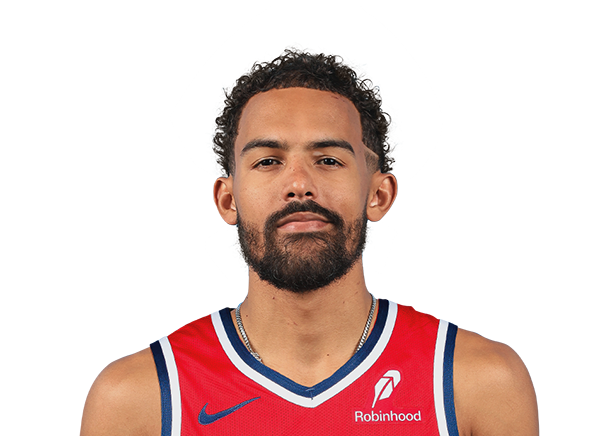 Trae Young
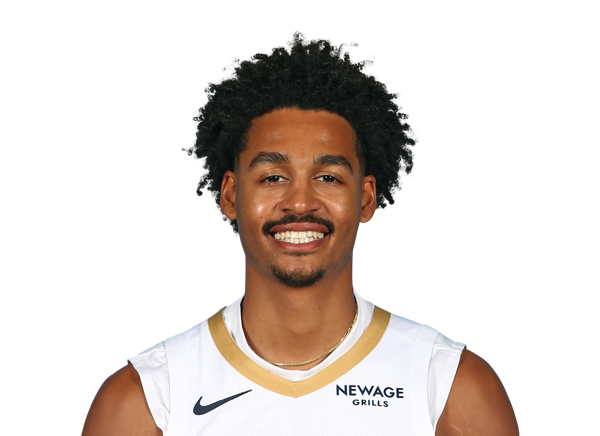 Jordan PooleRussell Westbrook
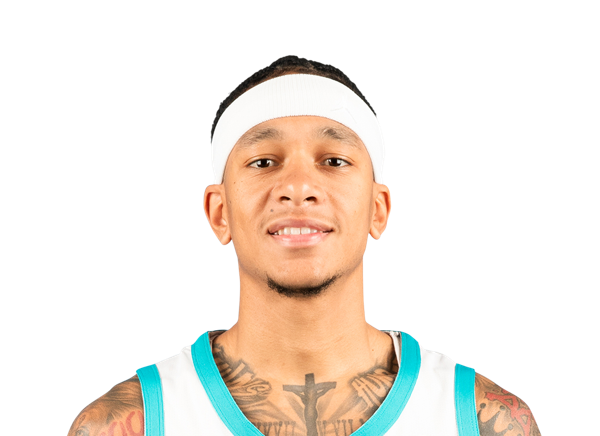 Tre Mann
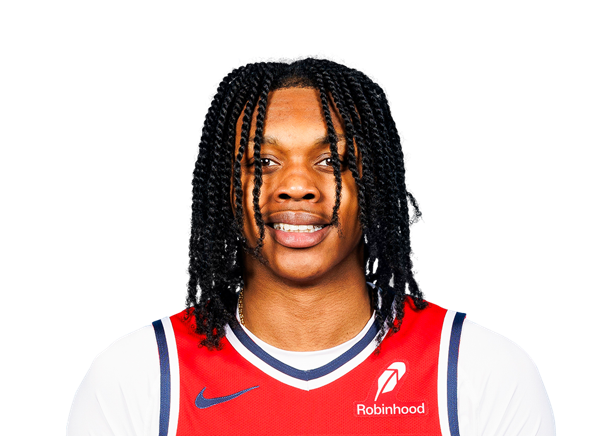 Bub Carrington
The numbers that cooled the offer
If the financial offer was modest, the impact data explains why. With Westbrook on the floor, his team gives up 12.1 points per 100 possessions — across a large sample: 64 games at 28.9 minutes per night. This isn't a slump; it's the entire season.
The other half of the problem is on the defensive end. Across nearly 600 contested shots, Westbrook's opponents connect on 52.2% when the expected rate on those same shots is 47.4%. In other words, guarding Russ makes the attacker's job almost five points easier.
There's a fair caveat: in direct matchups against stars, he's held his own. Anthony Edwards held to 12 points across 56 possessions against him, and Luka Dončić to 14 in 65. But those are snapshots; the full film, with a defensive rating of 122.1, tells a different story.
A scorer below elite efficiency
On offense, the efficiency doesn't save the argument either. His 52.8% true shooting — the metric that weights threes and free throws — falls short of what a high-volume role demands, as his shot chart makes clear: heavy rim attacks by instinct, little punishment from the perimeter.
The MVP's mirror
Our GOAT index helps make sense of the other side of the table. The model gives Westbrook a career peak of 81.8 out of 100, with his ceiling in 2016-17 — the MVP season — and three years among the best in the league. A player with that past, 18 seasons, and more than 43,000 minutes doesn't see himself signing for little money and even less of a role. It's human. But the Wizards aren't signing the 2017 Westbrook — they're signing the one with this net rating.
For Washington, the slammed door even has a silver lining: the young project breathes easier and nobody is fighting over pecking order. For Westbrook, the market left for him is minimum contracts and smaller roles. Exactly what he just turned down.
Lo que gana Washington
- ✓Minutos limpios para Bub Carrington y Tre Johnson
- ✓Cero fricción de roles junto a Trae Young
- ✓Flexibilidad para otro movimiento
Lo que no compra
- ✕La energía competitiva de un ex-MVP
- ✕Un veterano con 9 All-Star para el vestuario
Westbrook rejected the role; the numbers say it was the right one for him.
At 37, with a -12.1 on-court impact, Russ's last negotiation isn't with the Wizards — it's with his own reflection.
Sources and method
- Method
- Figures come from SportiveWorld's own database and from the documents cited in the piece. Every figure states its metric, scope and period; what is not measured is said, not filled in.
This article was produced with the help of artificial-intelligence tools on verified data from our own database, and was reviewed and edited by a human (Antonio Sierra) before publication.